Send a product photo or drawing, the intended material, overall dimensions, printable area, quantity, artwork status and target finish. A production-equivalent blank is especially helpful where coating, texture or local geometry may affect the result.
Related guide: How to Qualify a UV Printing SupplierBuyer FAQs
Clear answers for product teams planning direct-to-object UV decoration—before a sample, batch release or shipment inspection.
Browse questions ↓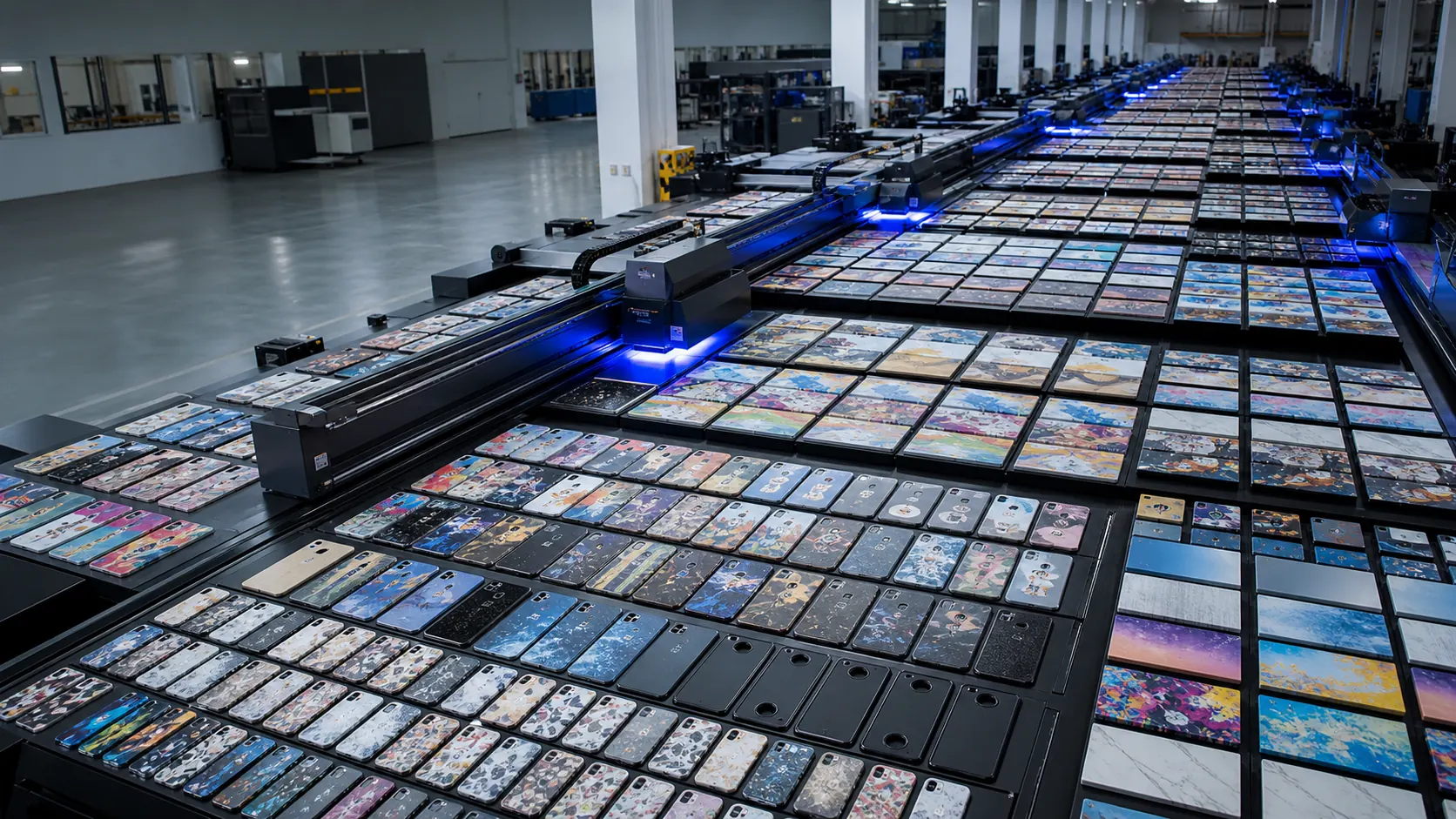
01
Getting started
The details that turn an initial enquiry into a useful factory review.
Choose a supplier that asks about the real component, printable face, artwork, fixture, inspection reference and export pack-out—not only quantity. A useful factory discussion turns those inputs into an approved sample and a controlled batch plan.
Related guide: How to Choose a UV Printing FactoryUV printing prices depend on the actual part, printable area, artwork layers, fixture needs, quantity, inspection scope and packing plan. A factory can provide a useful quotation after those project inputs are defined, rather than by applying a generic price list.
Related guide: How to Request a UV Printing SampleThe practical minimum order quantity depends on the part, preparation, artwork versioning, fixture requirement and sampling route. Share the product and target quantity so PaintNex can advise on a project-specific approach without making a blanket MOQ claim.
Related guide: Direct-to-Object UV Printing GuideYes. An early review can identify the visible face, sensible print-safe area, openings, raised features and likely fixture considerations. Final feasibility should still be confirmed with the actual component and approved artwork.
Related guide: How to Qualify a UV Printing SupplierA drawing or photo can support an initial conversation, but a physical production-equivalent part is needed for a meaningful factory test. It lets both sides review the material, moulded surface, clearance and finished appearance together.
Related guide: How to Choose a UV Printing FactoryPaintNex focuses on direct-to-object UV decoration for flat or near-flat hard-plastic products, including phone-case shells, tablet covers, speaker front panels, rigid PVC boards, acrylic panels and promotional plastic components.
Related guide: How to Request a UV Printing SampleDirect-to-object UV printing applies artwork to the product itself rather than to a separate label. For flat hard-plastic parts, the final result depends on the actual surface, artwork layers, fixture location, finish review and expected handling condition.
Related guide: Direct-to-Object UV Printing GuideYes. A sample request should include the production-equivalent blank, final or near-final artwork, desired finish and intended use. The approved first-off can then become the visual reference for factory testing and shipment inspection.
Related guide: How to Qualify a UV Printing SupplierFROM PRODUCT BRIEF TO SHIPMENT CHECK
Factory answers work best when the part is on the table.
A drawing starts the discussion. A production-equivalent blank, current artwork and intended handling condition make the next decision testable. That is how a factory review becomes useful to sourcing and product teams.
Read the supplier qualification guide →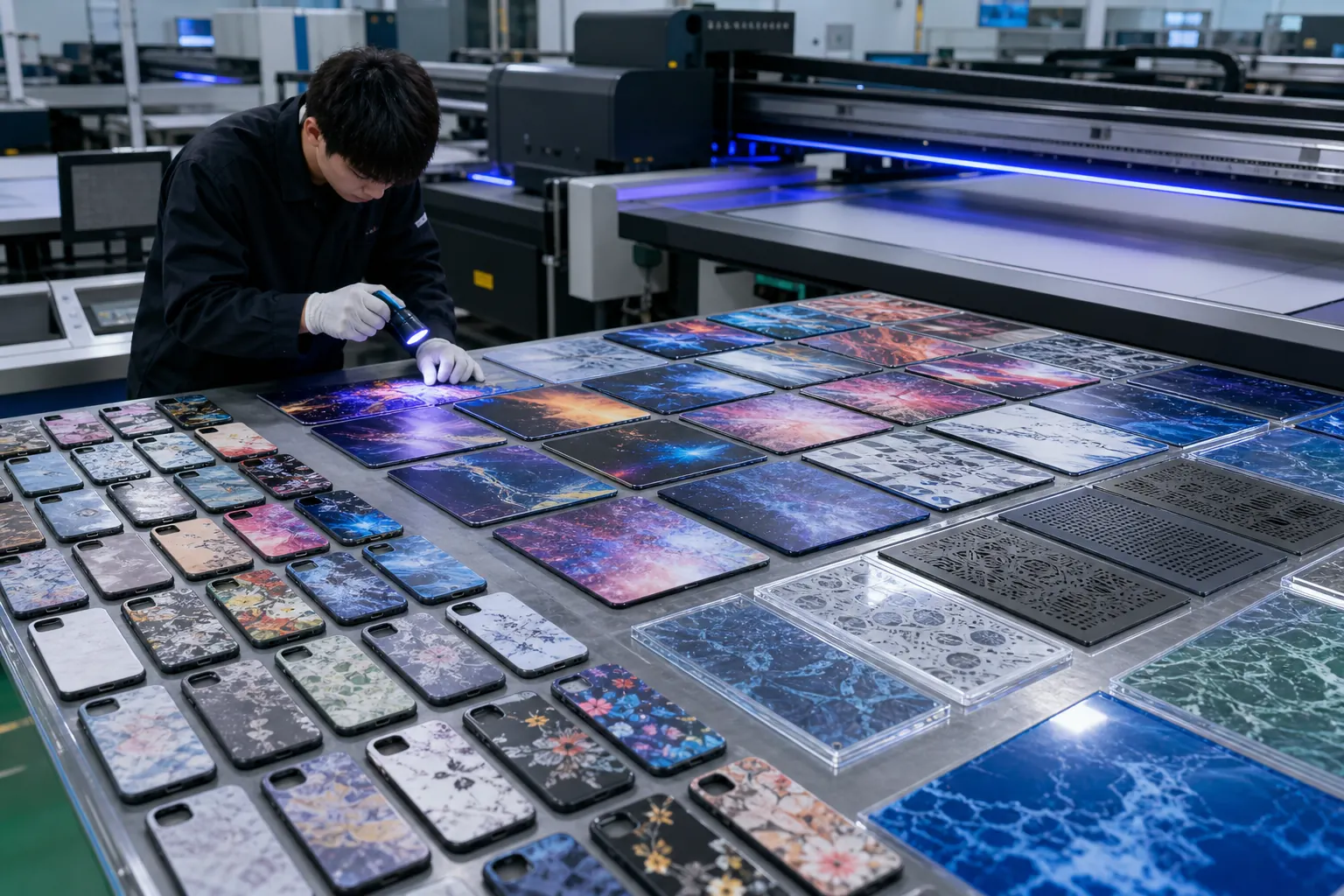
Still planning a project?
Send the product, material, quantity and target finish. PaintNex will help frame a practical sample and inspection discussion.