UV printing vs pad printing / BUYER GUIDE
UV Printing vs. Pad Printing for Custom Plastic Products: How B2B Buyers Should Choose
Compare UV printing and pad printing for custom plastic products by artwork, fixtures, volume, finish, and sample approval requirements.
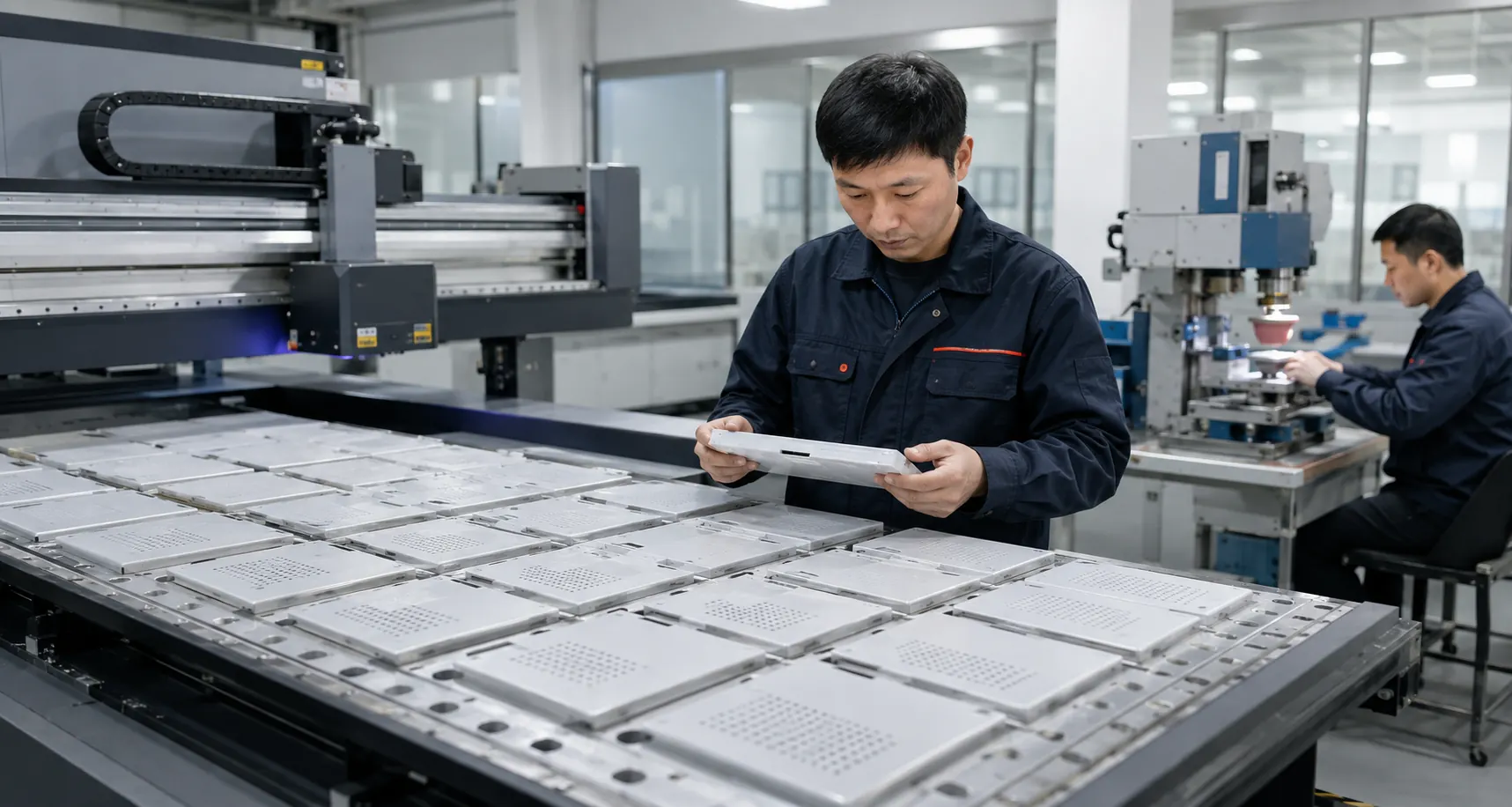
Compare the process against the actual product
Do not choose from a generic price comparison. Start with the real part: its flat printable area, texture, openings, colour, and how it will be handled. Then compare the number of artwork versions, colour complexity, expected repeat orders, and the time available for sampling.
| Decision point | UV direct-to-object printing | Pad printing |
|---|---|---|
| Artwork | Full-colour images, gradients, variable designs | Often strongest for simpler spot graphics |
| Flat panels | Direct registration on a fixture-supported face | Possible when part geometry suits transfer |
| Design changes | Digital workflow can reduce changeover steps | New artwork may require plate/process changes |
| White/varnish effects | Can be planned as print layers | Depends on the process and ink system |
| Production control | Fixture position, print file, first-off sample | Plate, pad, ink, part location, first-off sample |
Artwork and colour complexity matter
A phone case or flat speaker panel with photographic detail, gradients, and multiple versions is a different brief from a single-colour product mark. UV workflows can combine colour, white, and selected varnish layers on a defined flat surface. That can make sampling and version management easier when the artwork changes often.
Pad printing can be a sensible choice when the graphic is limited, repeatable, and suited to the part shape and transfer process. It should not be dismissed merely because the job is small, nor selected only because the part is “plastic.” Ask for a production-equivalent sample from each realistic option if the decision affects a long-term program.
Fixtures and approval standards are common to both
Both methods need controlled part location. A component that shifts in a fixture will create registration issues regardless of the decoration technology. The buyer should define the print boundary, keep-out zones, colour expectation, allowed placement variation, and the way the finished part will be handled or packed.
During factory testing, compare samples using the same blank, artwork, and viewing condition. Record the approved reference, not just a verbal choice. If the part is black or transparent, include the intended white layer or backing direction in the comparison; otherwise the final appearance may not match the initial review.
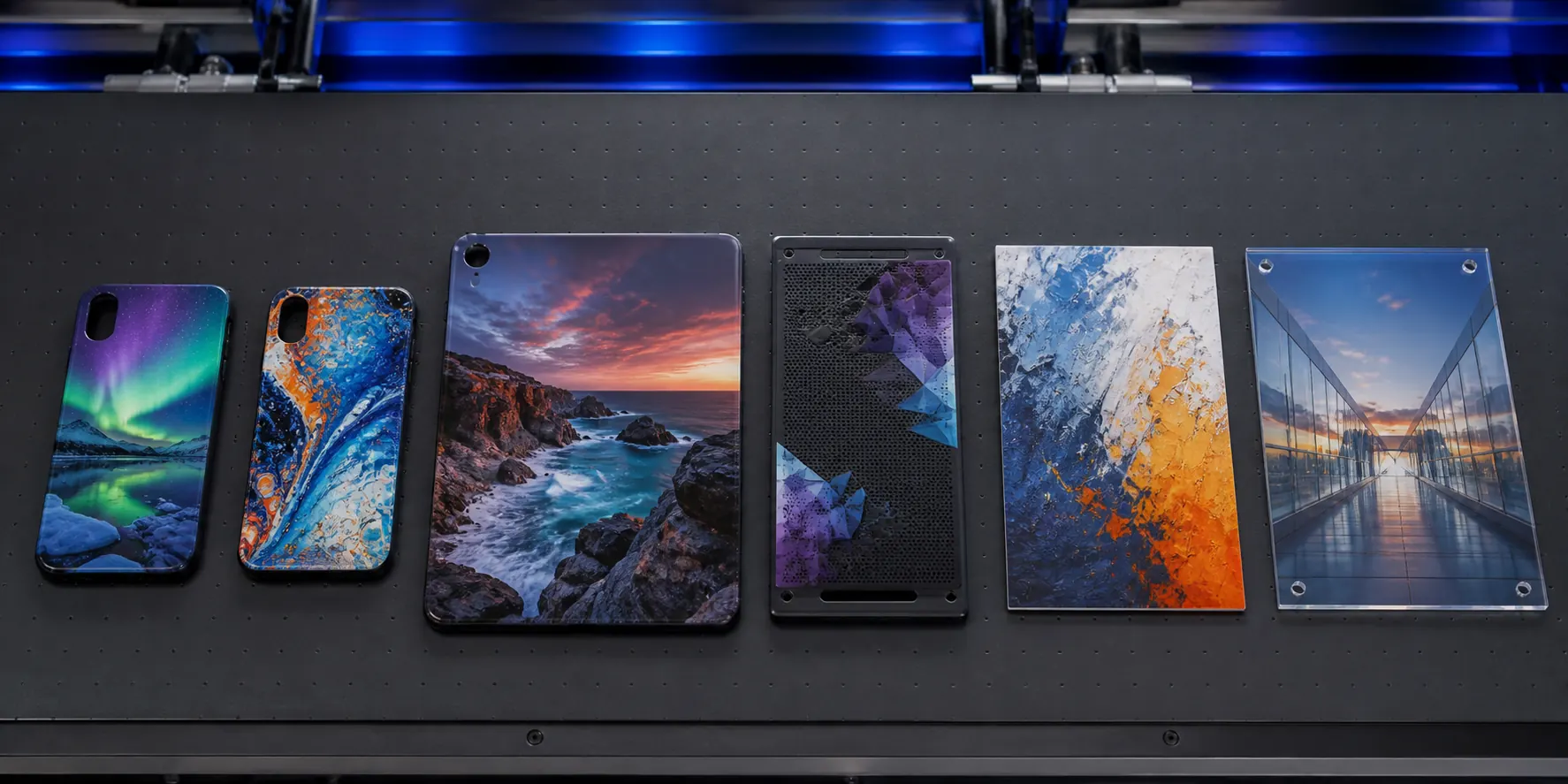
Use a decision sequence
- Map the real printable area and required artwork boundary.
- Separate full-colour/variable artwork from simple spot decoration requirements.
- Review volume, repeat frequency, and the cost of future design changes.
- Confirm fixture strategy and first-off sample requirements.
- Compare finished samples for appearance, placement, handling, and packing—not only unit price.
FAQ
Is UV printing always better for full-colour graphics?
It is often well suited to detailed, multi-colour artwork on flat, stable parts. The actual blank, artwork, finish, and quantity still determine whether the workflow is the right production choice.
Can pad printing handle curved products better?
Pad transfer can be suitable for many shapes, but suitability depends on geometry, artwork, and process control. This guide focuses on the factory's primary flat hard-plastic applications.
Should I approve a sample before choosing a process?
Yes. A production-equivalent sample helps reveal colour, placement, surface appearance, and handling differences that a process description cannot show.
Technical resources and next steps
Continue with our UV printable materials guide, supplier qualification checklist, and plastic-part QC checklist.
For independent technical background, review Epson's UV flatbed overview, Roland's smartphone-case handling guidance, and Mimaki's adhesion guidance. Validate every production decision on the actual blank and approved sample.
Continue your evaluation